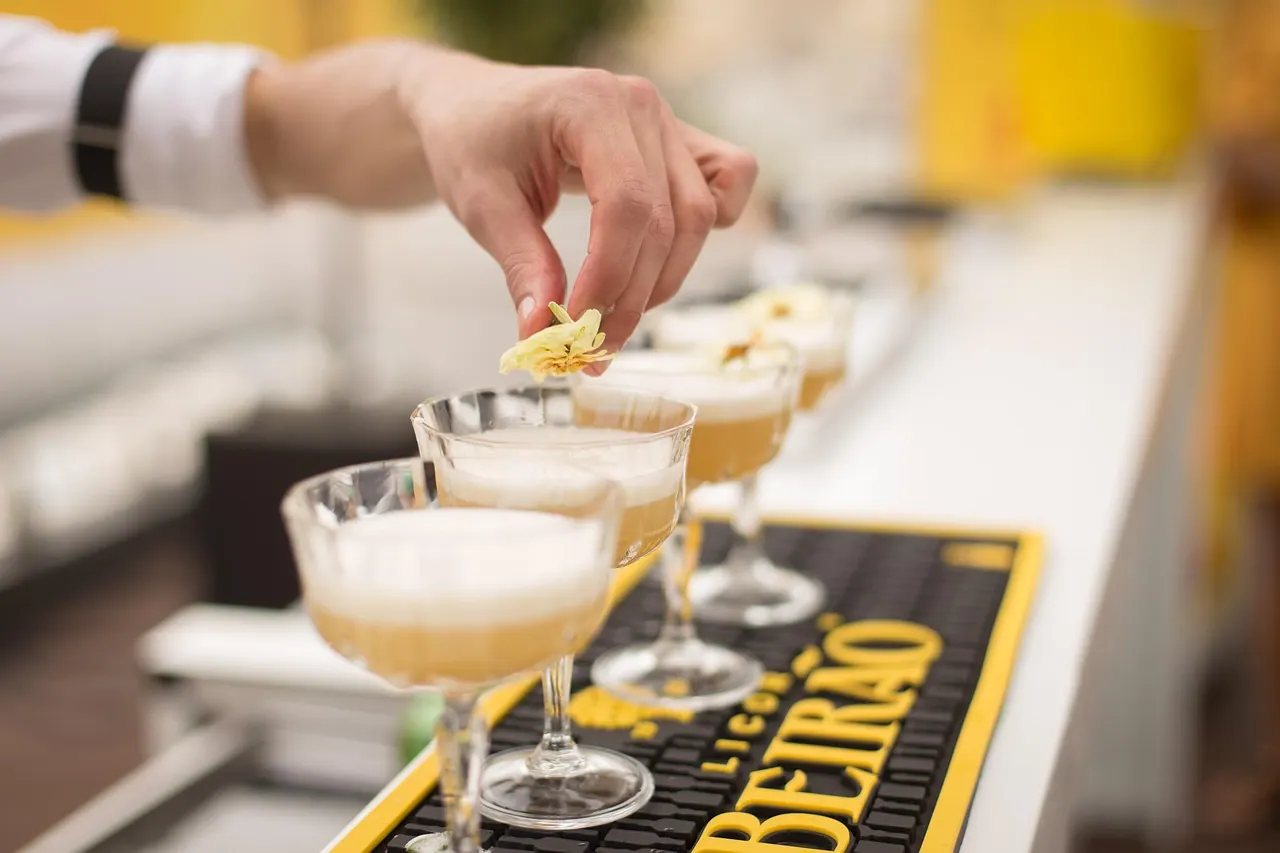
You’re in a big-room Tokyo club and there’s someone obviously staff-ish moving between groups, chatting them up. Not the bartender, not the bouncer. Who?
These are the floor girls / floor boys.
What they do
Their job, broadly:
Chat with guests — solo arrivals, groups, both. Warming the room.
Sell drinks. Recommending champagne and bottle service (connected to champagne call).
Linking guests. “That table over there wants to meet you” — coordinating connections.
Reading floor energy. When momentum dips, they walk around lifting it.
They’re the room’s social lubricant. Bartender = behind the counter. Floor staff = moving across the floor.
Where they exist
Big rooms (500+ cap): standard.
Mid rooms (200-500) that push bottle service: yes.
Small rooms, music boxes, DJ bars: no.
The smaller, more music-focused venues don’t run this model. Guests there manage their own night.
If they approach you
Conversation, real. They’re working, but real talk happens.
If they pitch a drink — you can buy if you want, decline politely if you don’t. They rarely push.
“That table wants to meet you” — go if you want, decline if not. Optional.
It’s not a date pickup, just a sales / mood-management role. No pressure to engage further than you want.
Differences from host club / hostess
Don’t confuse with host club / kyabakura culture.
Floor girls / boys roam — not seated at one table you “name.”
No request-name fees, no per-name billing.
No long-form one-on-one entertainment expectation.
But they get sales credit when their bottle pitches close — that’s the incentive structure.
“They pitched, I must buy” — not the right read.
Small rooms have no equivalent
To repeat: small rooms and music-leaning nights don’t have floor-floaters.
Small-room hosts are organizers, residents, bartenders, occasional venue manager — all direct, no dedicated floor sales staff.
So if a small room “no one talked to me” night happened (the loneliness piece), that’s the organizer’s problem, not the scene’s.
If you want guaranteed engagement
If you specifically want “someone will definitely talk to me,” big-room nampa-box venues with floor staff give you that.
But understand it’s a social experience, not a music experience. Different goals.