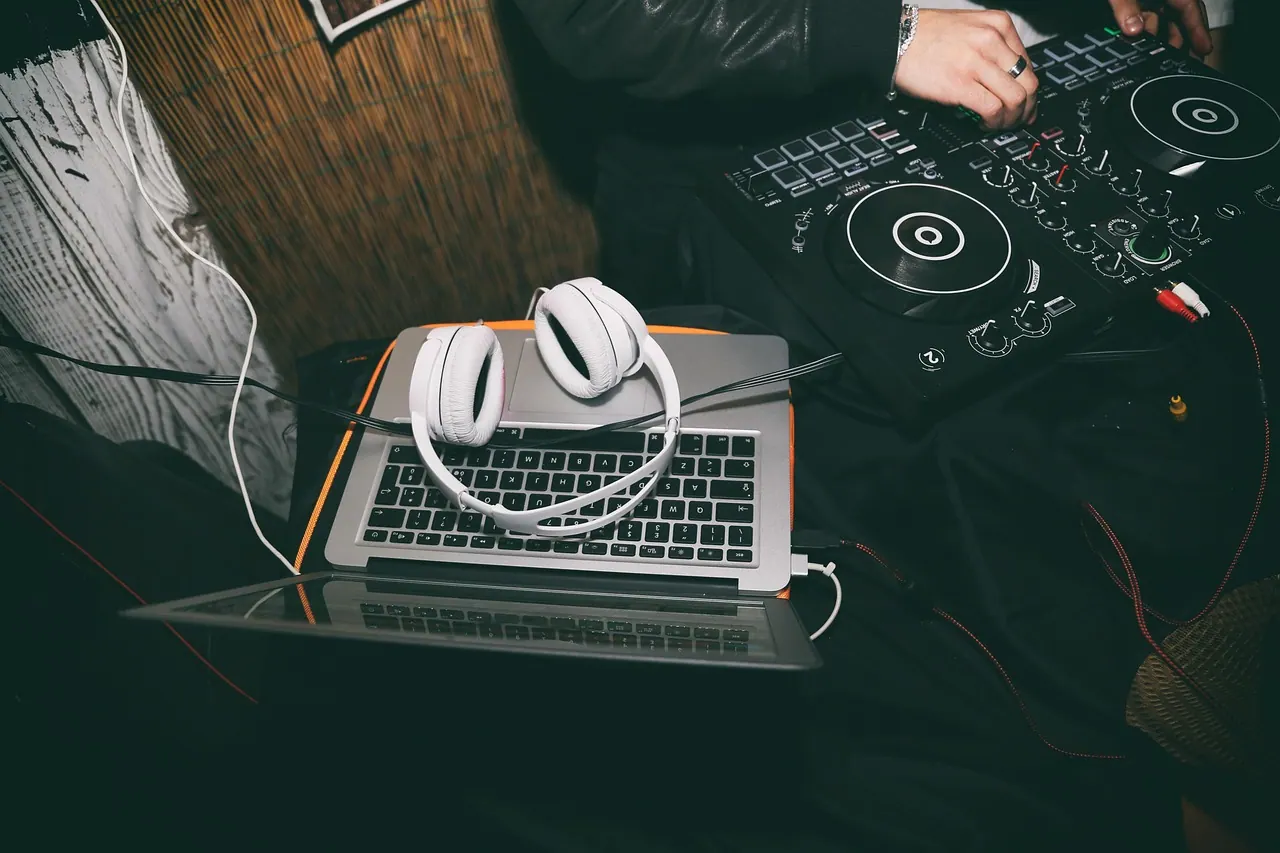
“How long until I can play a DJ set?” — the most common question from regulars who just bought a controller.
Short answer: about six months. Some do it faster, some slower. It’s not “practice for six months and you’re auto-booked” — the breakdown matters.
DJing then vs. now
The old path (10-20 years ago in Tokyo):
Tag along with a senior DJ. Help carry records and set up gear.
Save up part-time job money for a pair of used Technics turntables + a DJM mixer (USD 1,000+).
Buy or get gifted old records from veterans, dig at record shops.
Practice two-track mixing at home for six months to a year.
High barrier — money, time, and access to mentors all required.
Today the picture is totally different.
Entry controllers (Pioneer DDJ-200, DDJ-FLX4) cost USD 200-400. Rekordbox and Serato are free.
With just a laptop, you can practice fully at home.
Phone-only DJ apps (djay, rekordbox mobile) handle basic mixes.
YouTube tutorials are abundant and free.
Veterans say today’s newcomers progress about twice as fast as their generation — gear and information access have flattened the curve.
The actual six-month arc
Here’s what “six months” usually looks like:
Month 1: Learn the controller. BPM matching (sync button is fine), effects, EQ, headphone cueing.
Months 2-3: One-genre mixing. Record a 30-60 minute set at home that you can play through.
Months 4-6: Selection that has a flow, push-pull dynamics, structuring around a hypothetical floor. Two or three mixes posted to SoundCloud or Mixcloud.
This is enough for an opening 30-minute slot. Opening hours are quiet (early in the night, few guests), mistakes are forgiven, it’s structurally the debut zone.
Main-time or resident-level play takes longer. Plan for one to three years.
First-time DJs are routine
What outsiders don’t realize: on most Tokyo small-club lineups, there’s one DJ playing their first-ever set. Particularly in opening slots (22:00-23:00 typically), debuts are standard.
Organizers actively welcome it. “It’s their first time, support them” is the vibe.
So: extending your practice from six months to a year doesn’t help — debut earlier, attach to the scene faster (see how booking actually happens).
Realistic gear choices
“What should I buy?” — the eternal question. Current mainstream:
Entry controllers (PC-connected)
- Pioneer DDJ-200 (USD 100+) — also pairs with phones, lightest entry
- Pioneer DDJ-FLX4 (USD 300+) — Rekordbox / Serato dual support, very popular
- Pioneer DDJ-400 (USD 400+) — Rekordbox only, layout matches club CDJs
Standard club gear (what you’ll find on-site)
- Pioneer CDJ-3000 + DJM-A9 — big-club standard, unaffordable at home (USD 3,000+ each)
- Pioneer XDJ-RX3 — all-in-one, for home users wanting club feel (USD 3,000+)
Phone + controller
- DDJ-200 + iPhone/Android + djay or rekordbox mobile
For most starters: DDJ-FLX4 or DDJ-400 is the safe pick. Layout matches actual club CDJs, so first night in the booth isn’t disorienting.
As the want-to-DJ piece notes, you don’t need a full home rig. Controller + headphones + laptop is enough.
Headphones and music
Two more things you need:
Headphones: DJ monitor headphones, not consumer audiophile gear. From USD 100:
- Pioneer HDJ-X5 (USD 100+) — DJ standard
- Sennheiser HD25 (USD 200+) — club DJ classic, you’ll see this on every booth
Noise-cancelling consumer headphones (WH-1000XM5 etc.) don’t work for DJing.
Music: Spotify won’t connect to DJ software. Sourcing alternatives:
- Beatport — club music standard store, USD 2-3 per track
- Bandcamp — indie, artist-direct
- SoundCloud Go+ — Rekordbox integration
Budget around USD 50/month for music early on.
Monthly plan to debut in six months
Concrete timeline for a 6-month debut path:
Month 1: Buy controller + laptop. Install Rekordbox. Collect 30 tracks. Learn basic operation.
Month 2: Pick one genre (House, Techno, HipHop, Drum & Bass…). Record a 30-minute mix in it.
Month 3: Post the mix to SoundCloud or Mixcloud. Continue at one mix per month.
Month 4: Start signaling to your organizing crew that you’re practicing — at after-parties, casual DMs.
Month 5: Mix #3 goes up. If anyone asks to hear it, send the link.
Month 6: When “want to take the next opening slot?” arrives, say yes immediately.
Won’t always fit this neat. Practice frequency, room chemistry, organizer luck shift it. But if both sides spin — going out + practicing — a slot lands inside six months.
The ear matters more than the gear
Final point: the ear matters more than the controller hours.
You can practice at home for a year, but if you don’t have an intuitive sense of “good flow” in your genre, your floor mixes won’t land.
When you go to your regular nights, actually listen to how residents bridge tracks. Where they build, where they drop. That awareness compounds with home practice in ways tutorials can’t deliver.
As I write more in the not-a-music-nerd piece, scene sound is learned by listening. Books and articles can’t substitute.