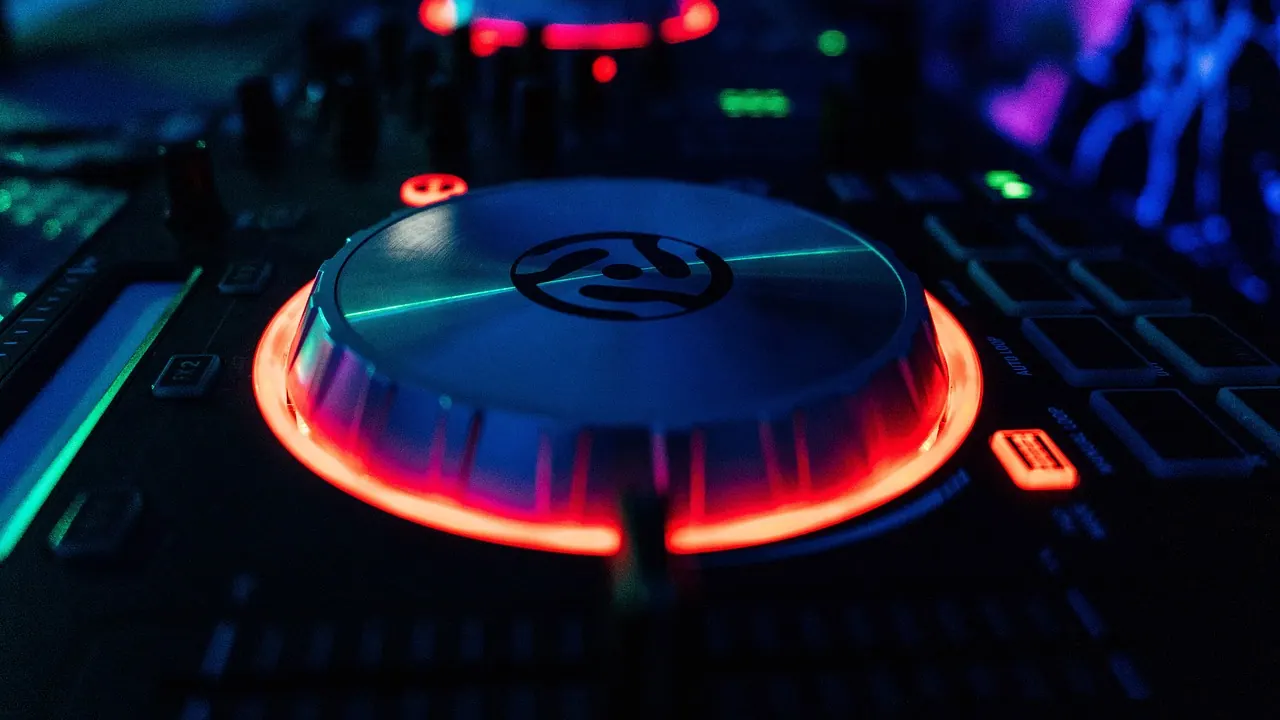
“I want to DJ” — heard this from lots of people who started as regulars. The path doesn’t begin with gear. It begins with showing up.
Gear can wait — go to clubs first
Inside the scene’s open secret:
Don’t buy DJ gear yet. Go to clubs. Be a guest first.
Why:
You can’t make floor-aware mixes if you don’t know what floors do.
Organizers and residents need to know you before you’re inviteable to play.
People who buy gear first, learn at home, and then expect to be invited — get crickets. That path doesn’t work.
Six months of regular attendance + three months of practice beats one year of practice in isolation.
Organizers remember
Less visible from outside but true: organizers do remember their guests.
At a small 50-100 cap room, new faces are obvious.
Monthly visits over three months get noticed.
By six months: name remembered, possibly chatted with.
By year one: half-inside the scene.
This is the same arc described in loneliness and opening-time. The scene rewards consistency.
How to attend deliberately
Just showing up isn’t enough — be visible:
Pick one organizer (host crew) and go to their nights repeatedly. Depth over breadth.
Show up at opening time — visible to staff and DJs in the calm period.
Follow on socials, reply, share flyers. Showing scene-participation signals.
After a DJ’s set, a brief “great set” matters (manners piece — keep it short).
3-6 months and you’ll feel the shift.
When to buy gear
After you’re a scene-known guest, start equipping:
Pioneer DDJ series (DDJ-200, DDJ-FLX4, DDJ-400) — entry controller, 300-600 USD. Pairs with Rekordbox software.
Headphones — 100 USD+. Pioneer HDJ-X5, Sennheiser HD25 are standards.
Laptop — what you have works for basic mixing.
PC + DDJ + headphones is enough to practice at home. SoundCloud Go or Beatport for sourcing tracks (Spotify doesn’t work for DJ software directly).
Full CDJ + DJM setups can come later. Even pros have entry-level controllers at home.
Record and post mixes
Once practicing, record mixes and put them on SoundCloud or Mixcloud.
Skills tracking and shareable artifact in one.
Monthly hour-long mix → six mixes in six months → portfolio.
Approaching scene people for a slot: “here’s my mix, would you listen?” Show, don’t beg.
Even rough early mixes — the improvement arc reads well to mentors.
How the debut comes
After scene-presence + a mix portfolio:
Ask a resident or organizer if they’d listen to a mix.
Tell an organizer you’d like to play at some point.
Friends-team a small self-organized night at a DJ bar or rental space.
Once known and improving, “we have a 30-minute opening slot next month, want it?” starts arriving. That’s debut.
Beyond debut
Your scene relationship continues after the booth:
Remember the guest perspective. Don’t lose it.
Go to other people’s nights as a guest still. Reciprocal scene.
When you guest list (guest pass piece), use it generously but mindfully.
Build “your nights” — develop a genre angle, an organizer-side identity.
Start tonight
Don’t read this and decide to start in three months. Start tonight.
If becoming a DJ is the goal, the fastest path is being the best possible guest. Tonight’s index — pick an interesting genre, show up.