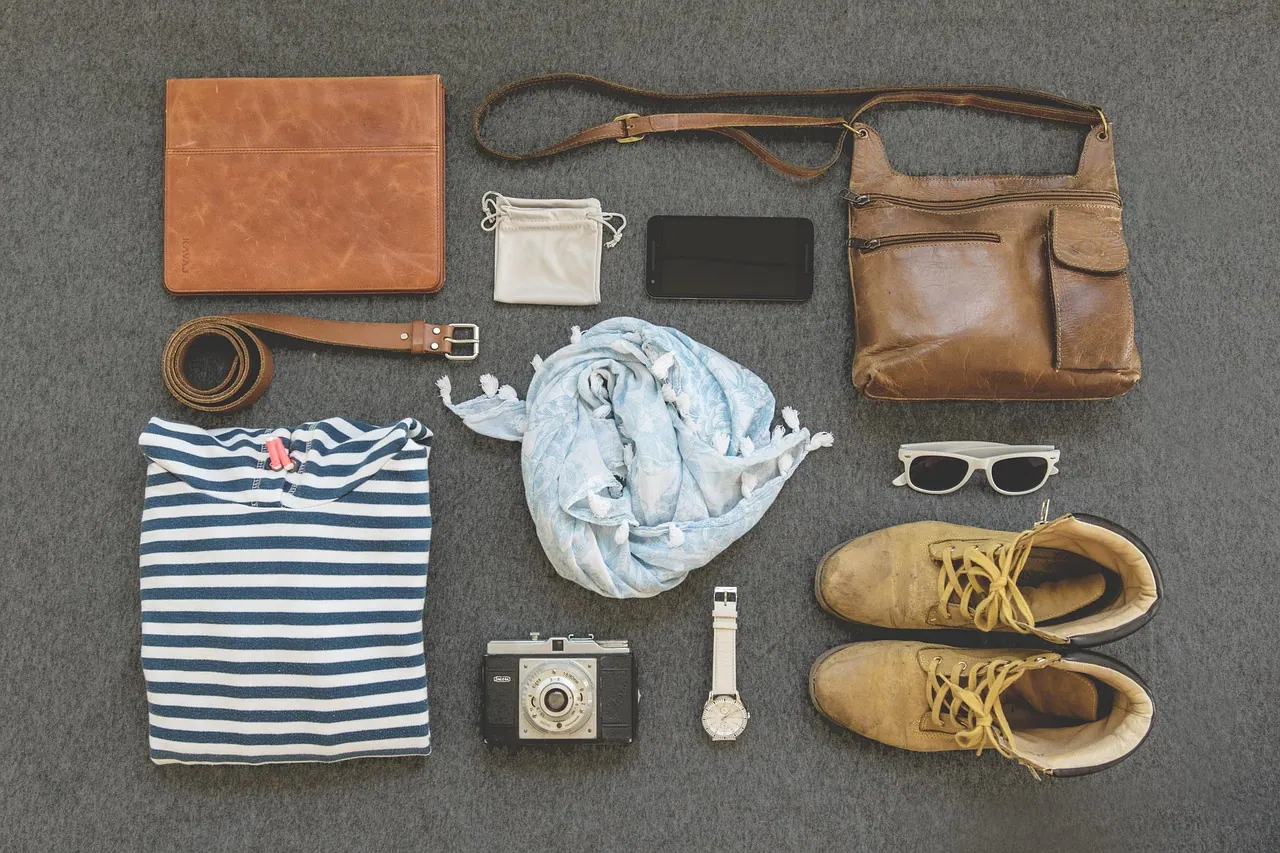
“Is there a dress code, and does it differ by gender?” is one of those pre-visit anxieties. In Tokyo’s small clubs, most nights don’t have one, and when they do, it’s softer than you’d guess.
Most small rooms don’t post a code
At Tokyo’s local DJ scene small rooms, an explicit “dress code: X” on the flyer is the exception. If nothing’s listed, clean regular clothes are fine. The practical line, as covered in your first night, is “can move, can sweat in it.”
Stuff men should avoid
I’m a guy so I’ll start here.
Beach sandals, Crocs. (Floor safety — getting stepped on hurts in flip-flops.)
Tank top + shorts even in summer. Reads as festival, not club.
Full sweatpants top-and-bottom. Pajama energy.
Full business suit top-and-bottom. Overdressed for the room.
What works: T-shirt + jeans + sneakers, button-up shirts, over-shirts, work pants. Techno nights lean black, house nights tolerate color, both are fine.
If you’re stuck: a plain or black tee, dark denim, and sneakers you don’t mind wrecking. Guys who look off in these rooms have almost always gone too far one way, either trying too hard or not trying at all. Aim for the middle and you’ll fit any genre of night in town.
Women’s range is wider
The women’s range I see is wider than men’s.
Dress + sneakers, denim + T-shirt for full casual, all-black for techno nights, heels with a sleek top — all show up regularly.
On heels: “you can wear them, but four hours of standing is rough.” My women DJ friends almost all go flats or sneakers.
Something women friends ask before their first night: does showing more skin help? Not at a small room. Nobody’s picking people at the door on looks, and once the floor fills up you’re shoulder to shoulder with strangers, so wear whatever you’re comfortable getting bumped in.
Practical bit: a lot of small Tokyo clubs are down steep basement stairs. On short-skirt nights, friends wear shorts underneath and stop thinking about it. For a bag, a small crossbody worn in front with phone, wallet, keys is the easy answer. Anything bigger goes in the locker (what to bring).
Genre-by-night drift
Once you start visiting you notice a soft trend:
House nights: dressier, a touch glam.
Techno / hard nights: black-heavy, function over decoration.
Hip-hop: streetwear, strong sneaker game.
Anime / A-pop: most permissive, character items welcome.
A flowy dress at a techno night isn’t going to get you turned away — you’ll just feel a half-step off the floor’s wavelength. The reverse too.
Sneakers are fine, just not brand-new ones
People ask whether sneakers get you turned away. At small rooms and DJ bars it’s the opposite: look down on any floor and sneakers are the majority. The “no sneakers” rule belongs to some big Roppongi clubs and lounge-style places that make a point of their dress code, and they put it on the flyer or website. If nothing’s written, don’t worry about it.
What you should worry about is your shoes getting trashed. Crowded floors mean getting stepped on, and spilled drinks leave the floor sticky. Wearing fresh white sneakers out and staring at them sadly on the first train home is a rite of passage. Suede and light canvas, same story. Pick shoes you can laugh about later, with soles that keep your feet happy after a few hours standing.
Summer and winter in Tokyo
Tokyo summers are humid, and the floor is hotter than the street. The bigger shock is the swing afterwards: soaked on the floor, then a cold air-conditioned corridor or a cool 5am street. A light overshirt helps, and plenty of regulars bring a spare T-shirt. Long hair? Bring a hair tie. Anything carefully styled will have given up by 2am anyway.
Winter is all about the coat. The floor gets T-shirt hot even in January, so a thick knit is a trap. Light layers underneath, coat on top, coat into the locker or onto the hanger rack as soon as you’re in. The locker piece has the details.
Over 30, over 40
No need to dress younger, and no need to dress “properly” either. Tokyo small rooms mix students with regulars in their 40s and 50s, and house or disco nights often skew 30-plus. The simple, slightly nicer version of what you already wear is exactly right. Comfortable shoes matter more than anything else on this list. More on age in clubbing in your 30s and 40s.
The short “don’t” list
Pulling it together:
Feet: beach sandals, Crocs, thin stiletto heels. They hurt when you get stepped on, and they hurt other people when you step on them.
Clothes: tank top + shorts, full sweatsuit, full business suit. Same for everyone.
And two easy-to-miss ones: heavy perfume, because a small basement floor is a closed space and strong scent travels; and a big backpack worn onto the floor, because nobody around you can move.
Skip those and you’re basically free.
When the flyer says “smart casual”
In Tokyo club context:
Men: collared shirt + jeans (jeans fine), sneakers fine.
Women: dress + flats. Already on the dressier side.
“All-black” nights are a techno ritual — wear black and you fit. “Y2K theme” parties are play, not enforcement. You can join the theme or skip it, both fine.
Dress code is venue / night / party-specific. When one’s posted, follow the flyer or the organizer’s social.