When someone says “I want to try a Tokyo club but it sounds scary,” I tell them to start with a DJ bar. They’re different beasts, and the bar version is way easier to walk into.
Side by side
| Item | DJ bar | Club |
|---|---|---|
| Volume | Can talk | Can’t really |
| Seating | Counter or chairs | Mostly standing |
| Money | 1,000-2,000 yen or no charge | 2,500-5,000+ with 1D |
| Capacity | 20-50 | 50-500 |
| Hours | 19:00 to 2-3am | 23:00 to 5am |
| Food | Often yes | Usually no |
| Photos | Generally OK | Usually not |
DJ bars are “a bar with good music.” Clubs are “a room you go into to be inside the music.”
What a DJ bar night actually feels like
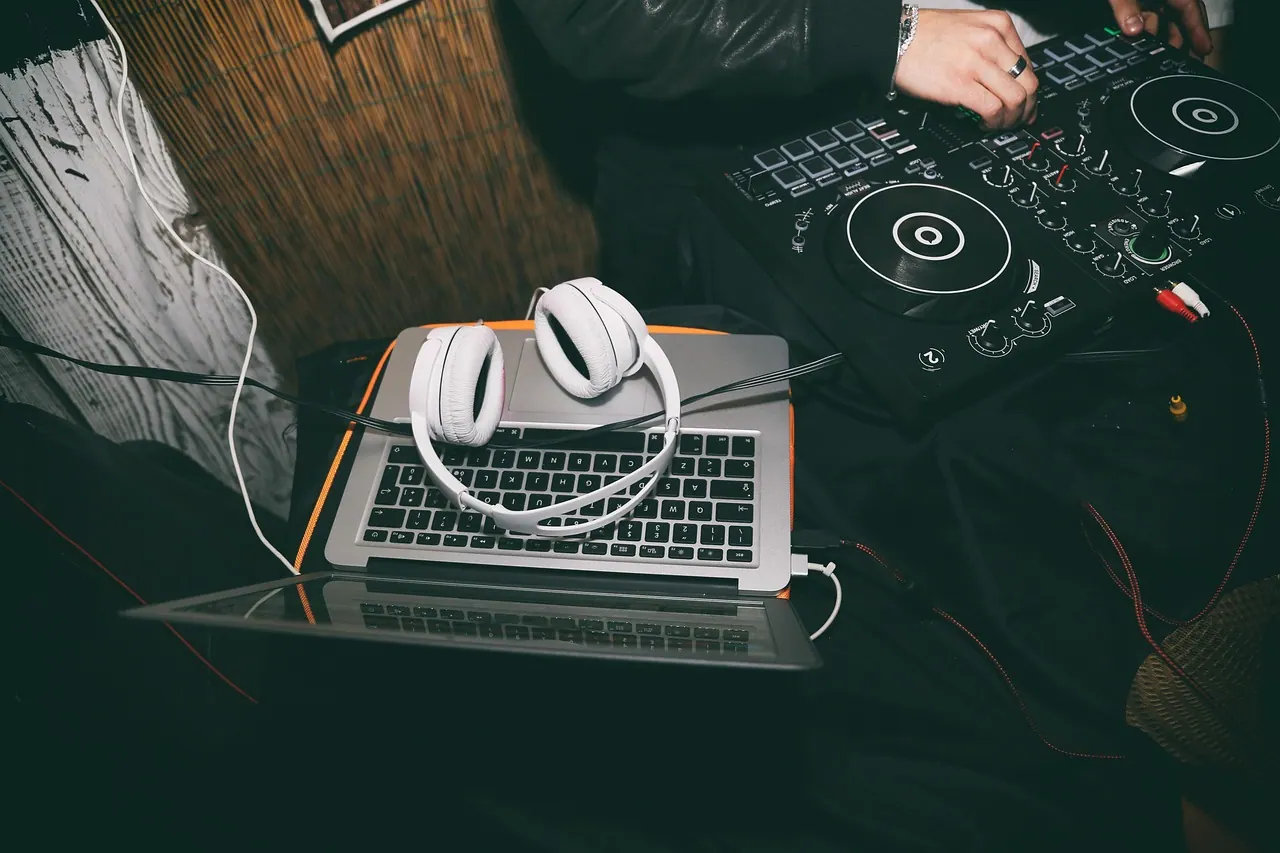
Sit at the counter, order a highball or wine, maybe the bartender mentions tonight’s set. You can see the DJ’s hands on the gear from where you’re sitting — answering “what does a DJ actually do?” without needing the cluster article (covered here anyway).
You can have a real conversation. With your friend, with the bartender, sometimes with the DJ between sets. The volume’s set for the room to host both music and people.
You can show up at 21:00 and leave at midnight, or roll in at 23:30 for an hour. No 23:00 opening lock like clubs.
Tokyo DJ bars worth knowing
Some staples:
Bar Bonobo (Jingumae) — multi-floor, the classic. Often house and disco.
Doctor Head (Shibuya) — sofas, distinctive interior, sit-and-listen.
Bridge Shibuya / Shinjuku — DJ-heavy lineups, easy to walk into.
Aoyama Tunnel — house-leaning, grown-up evenings.
Asagaya DRIFT — Asagaya, local scene depth.
Ruby Room (Shibuya) — multiple genres, a dance floor inside the DJ bar.
Each has its own personality. Trying a few finds you the one that fits.
Why DJ bars are the gateway
They’re how most people enter the scene because:
The cost is low. 1,000-2,000 yen versus clubs at 3,000-5,000+.
You can listen properly. Less crush, more music absorbed per minute.
The people inside (DJ, bartender, regulars) are reachable. Conversation actually possible.
It’s preview for clubs. Same DJs play both. Hearing them at a DJ bar first means you recognize the work when you see them in a bigger room.
Going solo (solo guide) is easier here too. Having a seat means you’ve automatically got a place.
When to use which
Long-time scene people use both. Different uses:
Weekday, light music need → DJ bar.
Weekend, full dive → club.
Want to talk to someone → DJ bar.
Want to lose yourself in sound → club.
Tight on money → DJ bar.
Specific guest DJ → wherever they’re playing (often club).
Neither is “the real thing.” Both are real parts of the scene.
Watch-outs
The no-charge DJ bars don’t actually save you money — drink spend evens out, as the pricing piece notes.
Seats near the booth fill first. Show up early or pick off-hours.
Conversation OK doesn’t mean shout. Aim for talk : music = 1 : 1 in volume and attention.
Requests vary by venue. Some bartenders pass them to the DJ casually, some places run a strict set. Ask if you can.